Houston is one of the most important logistics hubs in the United States. With Port Houston, sprawling warehouse districts, and constant movement along I-10, I-45, I-69, and the Sam Houston Tollway, delivery trucks are a permanent fixture on local roads. During peak shipping seasons, including the months leading up to major holidays and large-scale retail events, the number of delivery vehicles increases dramatically. That surge brings heightened risks for drivers, pedestrians, and nearby workers.
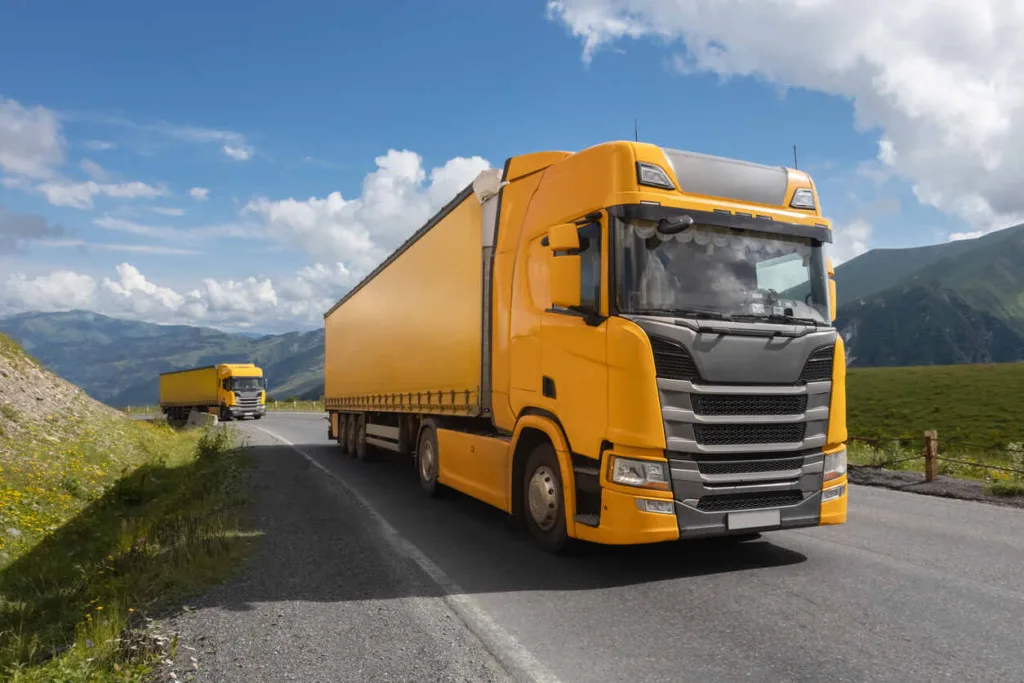
At Hollingsworth Law Firm, our Houston personal injury attorneys represent individuals and families injured in Texas delivery truck crashes. Understanding why these accidents occur and why they are often more severe is critical to both prevention and accountability.
Why Peak Shipping Seasons Are Especially Dangerous in Houston
Unlike many cities, Houston’s shipping activity does not rely solely on consumer retail demand. Multiple overlapping industries, including port operations, energy, manufacturing, and e-commerce, drive peak seasons. When these sectors intensify simultaneously, delivery traffic increases across residential streets, industrial corridors, and major highways.
Several factors converge to create dangerous conditions:
- A sudden influx of unfamiliar drivers operating large commercial vehicles.
- Extended delivery routes that stretch across the metro area and surrounding counties.
- Tight turnaround times are tied to port schedules, warehouse quotas, and retailer guarantees.
- Increased congestion around distribution centers, ports, and freeway interchanges.
- Long driving hours contribute to fatigue and reduced reaction time.
These pressures do not occur in isolation. They compound existing traffic challenges and elevate the risk of severe collisions.
The Unique Role of Houston’s Freight Infrastructure
Houston’s freight network is unlike that of most major cities. Port Houston handles millions of tons of cargo annually, making it one of the busiest ports in the country. From there, goods move rapidly through nearby industrial zones and distribution hubs in Pasadena, Baytown, Katy, and northern Harris County.
During peak shipping seasons, delivery trucks flood:
- Port-adjacent roadways are not designed for heavy mixed traffic.
- Surface streets connecting warehouses to residential neighborhoods.
- Freeways are already strained by commuter traffic and construction.
- Industrial corridors with limited pedestrian protections.
This constant movement increases the likelihood of collisions involving passenger vehicles, cyclists, pedestrians, and workers loading or unloading cargo.
How Time Pressure Contributes to Negligent Driving
Delivery schedules during peak seasons are often aggressive. Drivers may be expected to complete more stops, travel longer distances, and operate on compressed timelines. These demands can lead to unsafe driving behavior.
Common issues include:
- Speeding to meet delivery quotas.
- Rolling stops at intersections or residential streets.
- Unsafe lane changes in congested traffic.
- Distracted driving caused by navigation systems or delivery apps.
- Skipping rest breaks or driving while fatigued.
When these behaviors occur in dense urban traffic or near industrial sites, the consequences can be catastrophic.
Understanding Negligence in Delivery Truck Accident Cases
Negligence is a legal term meaning a failure to exercise reasonable care under the circumstances. In delivery truck accident cases, negligence may involve unsafe driving decisions, poor planning, or systemic pressure that encourages risky behavior.
To establish negligence, an injured person must show:
- Duty Of Care. The driver had a legal obligation to operate the vehicle safely.
- Breach Of Duty. The driver failed to meet that obligation through unsafe conduct.
- Causation. The breach directly caused the crash.
- Damages. The victim suffered injuries, financial losses, or other harm.
In delivery truck cases, negligence may extend beyond the driver to include companies that impose unrealistic schedules or fail to enforce safety standards.
Why These Accidents Are Often Preventable
Many delivery truck crashes during peak seasons are not unavoidable. They occur because safety is prioritized over speed and volume. When companies prioritize output over driver well-being and public safety, the risk of harm increases for everyone on the road.
Preventable factors often include:
- Inadequate driver training for urban and residential routes.
- Failure to manage driver fatigue.
- Poor route planning that forces trucks into unsafe areas.
- Lack of enforcement of rest and safety policies.
- Insufficient vehicle maintenance during high-use periods.
Identifying these failures is essential when determining responsibility after a serious crash.
How Hollingsworth Law Firm Helps After a Delivery Truck Accident
Delivery truck accident cases require careful investigation and a clear understanding of Houston’s transportation and logistics landscape. At Hollingsworth Law Firm, our attorneys examine not only how the crash occurred, but why it happened.
We work to:
- Investigate delivery schedules, routes, and time pressures.
- Identify negligent driving or systemic safety failures.
- Preserve evidence before it is altered or lost.
- Document the full extent of injuries and long-term impact.
- Pursue compensation that reflects both immediate and future losses.
Our focus is on holding negligent parties accountable and helping injured individuals regain stability after life-altering events.
Contact Hollingsworth Law Firm Today
If you were injured in a delivery truck accident during a peak shipping season in Houston, you deserve answers and experienced legal guidance. Our attorneys at Hollingsworth Law Firm are prepared to evaluate your case, explain your legal options, and pursue accountability where negligence played a role.
Contact our Houston office today at 713-637-4560 or online to schedule a free consultation.
Related Blogs
About The Author
Steve Hollingsworth
Steve Hollingsworth is a seasoned trial attorney with extensive experience across Texas. After beginning his career as a felony prosecutor, Steve went on to represent major insurance companies before focusing on helping individuals injured in car, motorcycle, trucking accidents, and premises liability cases. Founder of his own firm, Steve is committed to providing personalized, client-focused legal representation to ensure justice for those he serves.