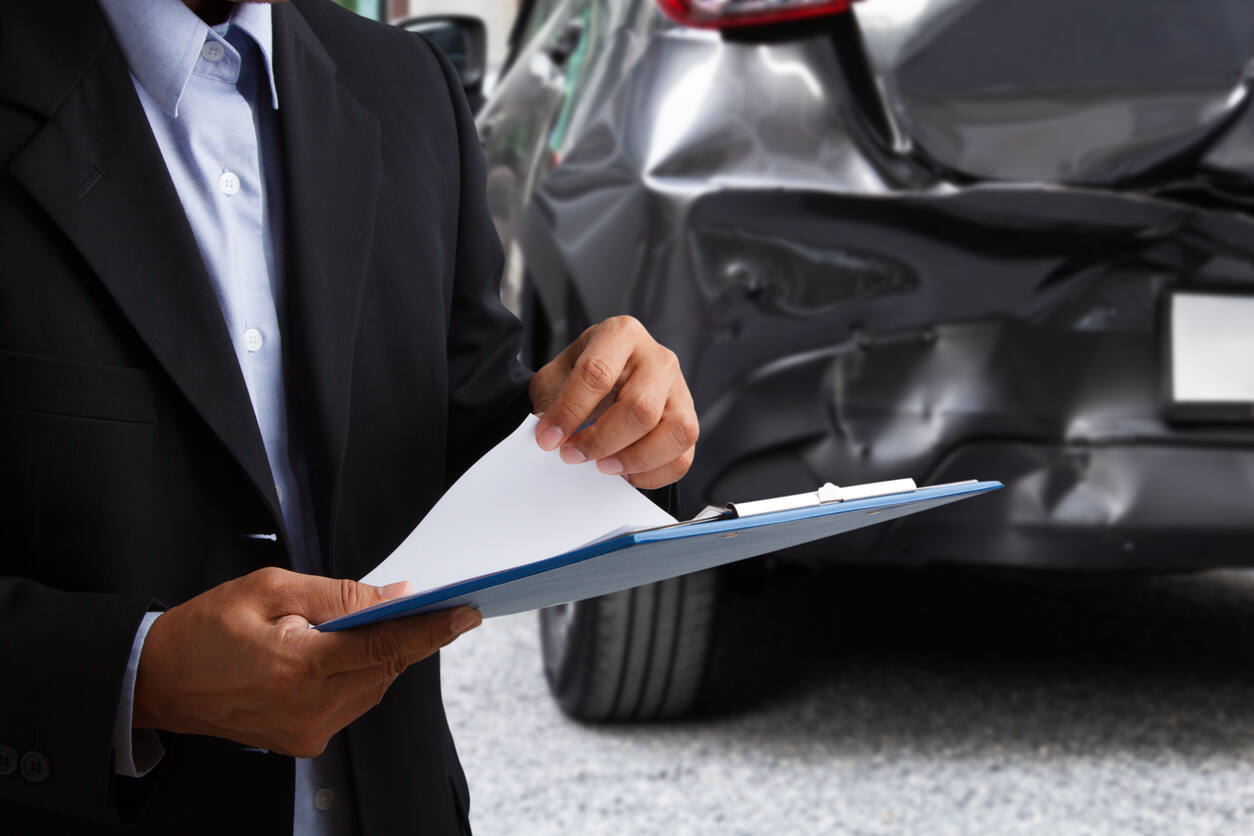
When you’re involved in a car accident in Texas, figuring out who pays for everything is usually the first big question. Since Texas is an “at-fault” state, the person who caused the crash is the one legally responsible for covering the costs. This means the other driver’s insurance company is generally expected to pay for expenses such as your medical bills, car repairs, and any lost wages you might have because you couldn’t work. It’s not always straightforward, though.
Texas Car Accident Laws
Car accidents in Texas are governed by specific laws that affect fault, compensation, and deadlines. Whether you are driving in Houston or elsewhere in the state, understanding how these rules work can make a real difference after a crash.
Establishing Liability After a Collision
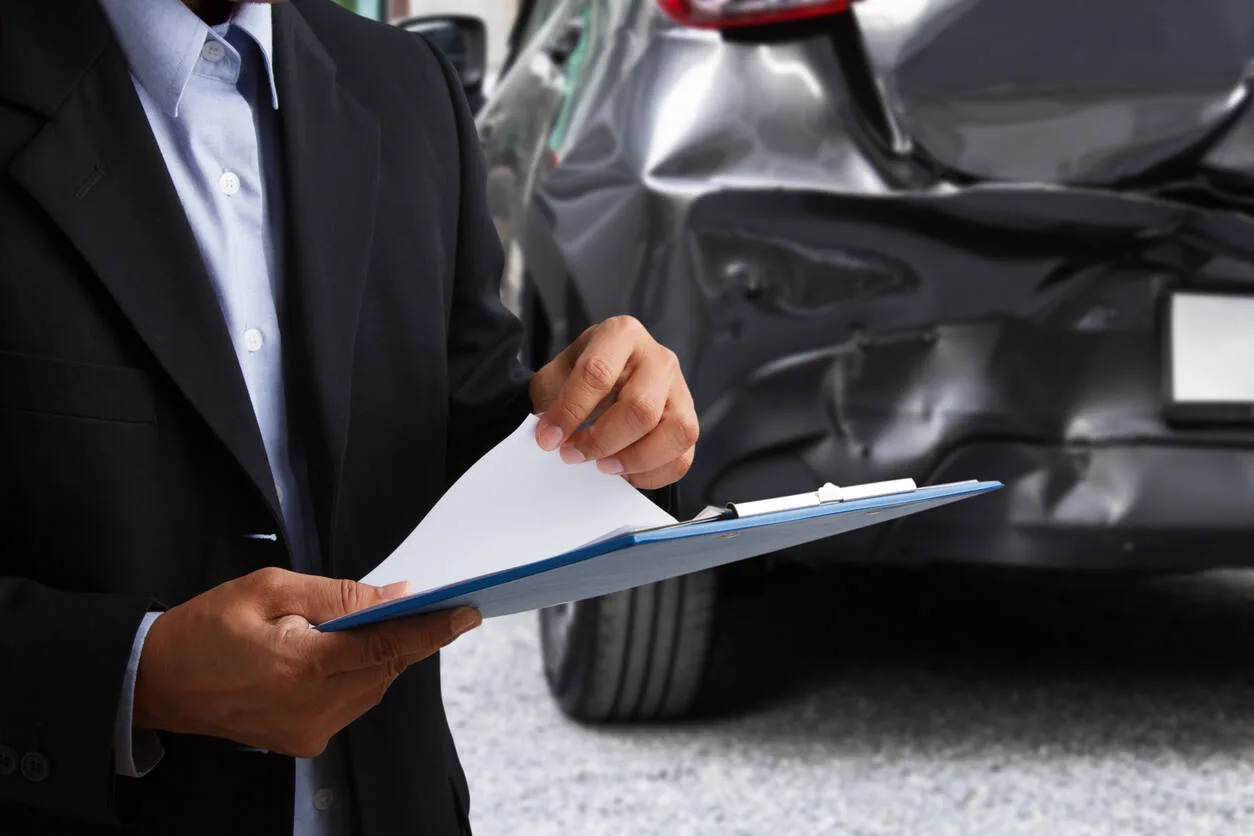
Proving who’s to blame after a wreck is the name of the game here. It usually comes down to showing that someone was negligent. Basically, negligence means a driver didn’t act with reasonable care, and that carelessness directly led to the accident and your injuries. To build a case, you typically need to show these four things:
- Duty of Care: All drivers have a legal duty to follow traffic laws and drive safely.
- Breach of Duty: The other driver failed to meet that duty; for example, they may have been speeding, running a red light, or texting.
- Causation: Their failure to drive safely directly caused the accident.
- Damages: You suffered actual harm, like injuries or damage, as a result.
Evidence is key. This may include police reports and witness statements, photographs of the accident scene, and your medical records.
Options for Recovering Damages
If another driver caused your accident, you generally have a few paths to get the compensation you need:
- File a Claim with the At-Fault Driver’s Insurance: This is the most common route. You’ll file a claim directly with the insurance company of the driver who caused the crash. They should cover your medical bills, car repairs, lost income, and other related losses.
- File a Claim with Your Own Insurance: This may be an option if the at-fault driver lacks insurance, has insufficient coverage, or the fault isn’t immediately apparent. Depending on your policy, coverages such as Uninsured/Underinsured Motorist (UM/UIM) or Personal Injury Protection (PIP) may help pay your expenses.
- File a Lawsuit: If the insurance company isn’t cooperating, is offering too little, or is denying responsibility altogether, you should take legal action. A lawsuit can be a longer process, but it’s often necessary to get full compensation, especially for serious injuries.
Potential Liable Parties
While the driver who directly caused the crash is usually the primary party responsible, others may share liability. Think about:
- The Driver: The person behind the wheel who acted negligently.
- The Vehicle Owner: If the owner permitted someone to drive their car knowing that the driver was reckless, or if the owner was negligent in maintaining the vehicle.
- Employers: If the driver was working at the time of the accident (e.g., a delivery driver), the employer may be held liable under certain circumstances.
- Government Entities: In rare cases, if faulty road design or inadequate maintenance by a city or county contributed to the crash, a governmental entity may be liable.
- Vehicle Manufacturers: If a defect in the vehicle (such as brake failure) caused the accident, the manufacturer may be at fault.
Modified Comparative Negligence
Texas has a specific way of handling situations where more than one person is to blame for a car crash. It’s called modified comparative negligence, and your compensation can be reduced based on how much fault is assigned to you. It’s not a simple
What Are the Mandatory Auto Insurance Requirements in Texas?
In Texas, you can’t just hop in your car and drive without some form of financial responsibility. The state requires all drivers to carry a minimum amount of liability insurance. This is your proof that you can cover damages if you cause an accident. It’s a big deal, and not having it can lead to some severe headaches.
Minimum Liability Coverage Limits
Texas law says you need at least:
- $30,000 for bodily injury per person
- $60,000 for bodily injury per accident (if multiple people are hurt)
- $25,000 for property damage per accident
This is often referred to as “30/60/25” coverage. While this is the legal minimum, it’s worth considering whether it’s sufficient for a serious crash. Sometimes, damages can easily exceed these limits, and then you’re left trying to figure out how to cover the remainder.
Penalties for Driving Uninsured
Driving without insurance in Texas is not advisable. The consequences can pile up quickly. You could be looking at:
- Fines: The state may impose a monetary penalty.
- License Suspension: Your ability to drive legally may be revoked.
- Vehicle Impoundment: Your vehicle may be towed and held.
- SR-22 Requirement: You may be required to obtain an SR-22 form, which your insurance company must file. This basically shows that you’re maintaining the required insurance for a period, usually two years. It’s a sign that you’ve had trouble with insurance compliance before.
Understanding SR-22 Documentation
An SR-22 isn’t insurance itself, but rather a certificate of financial responsibility. Your insurance company files it with the Texas Department of Public Safety on your behalf. It’s a way for the state to confirm that you have the minimum required liability coverage.
You’ll typically need an SR-22 if you’ve been convicted of certain traffic offenses, like a DUI, or if you’ve been caught driving without insurance. It’s inconvenient, and it usually means your insurance premiums will increase, but it’s necessary to get your license back or keep it valid.
Do You Have Enough Protection Against Uninsured or Underinsured Drivers?
Protection Against Uninsured Drivers
If you’re in a car accident caused by a driver with no insurance, Texas law allows you to rely on Uninsured Motorist (UM) coverage. This coverage, included in many auto policies, acts as a safety net when the at-fault driver has no liability insurance. A UM claim through your own insurer may help cover medical expenses, lost income, and pain and suffering, similar to what you could recover if the other driver were insured.
Coverage for Underinsured Drivers
When the at-fault driver has insurance but not enough to fully cover your losses, Underinsured Motorist (UIM) coverage can help. In serious accidents, damages often exceed the minimum policy limits. UIM coverage may pay the remaining costs up to your policy limits, helping prevent you from bearing expenses caused by another driver’s insufficient coverage.
Making Claims With Your Own Insurer
When you need to use your UM or UIM coverage, you’ll be filing a claim with your own insurance company. It may feel strange at first to deal with your own insurer after someone else caused the accident. Here’s a general idea of how it works:
- Notify your insurance company of the accident and that the other driver is uninsured or underinsured.
- Provide documentation: You’ll need to share details about the accident, your injuries, and any related expenses.
- The claims process: Your insurer will investigate the claim. They might try to negotiate a settlement with you.
Even though it’s your own insurance company, they still operate as a business and may not offer full value without resistance. Legal guidance can help ensure fair treatment and proper compensation.
What Financial and Non-Economic Damages Apply After a Texas Car Wreck?
When you’re in a car wreck in Texas, figuring out what you can get back financially is a big deal. It’s not just about fixing your car; it’s about covering all damages resulting from the crash. Texas law lets you go after compensation for two main types of losses: economic and non-economic.
Economic Damages for Financial Losses
These are the costs with a precise dollar amount. Think of it like this: if you can point to a bill or a pay stub, it’s probably economic damages. The goal here is to make you whole financially, as if the accident never happened.
- Medical Bills: Emergency care, treatment, therapy, medications, and future medical needs.
- Lost Wages: Income missed due to injury, including reduced future earning ability.
- Property Damage: Vehicle repair costs or the car’s fair market value if totaled.
Non-Economic Damages for Personal Impact
These are trickier because they don’t come with a receipt. They address the less tangible, but still real, ways the accident has affected your life. It’s about the suffering and the disruption.
- Pain and Suffering: This covers the physical pain you endured because of the accident and continues to experience.
- Mental Anguish: This includes emotional distress, anxiety, depression, or fear that resulted from the crash.
- Loss of Enjoyment of Life: If the accident has made it impossible for you to do things you used to love, like hobbies, sports, or spending time with family, this compensates for that loss.
- Disfigurement: Compensation for scarring or permanent physical changes that affect your appearance.
Understanding Punitive Damages
In rare cases involving extreme recklessness or intentional harm, Texas law may allow punitive damages. These damages are intended to punish the at-fault driver and to deter similar conduct, not to compensate for losses. Meeting this standard is difficult.
Insurance companies may also push for quick or low settlements. Having legal support can help push back, handle negotiations, and pursue fair compensation when challenges arise.
Dealing With Insurance Companies After an Accident
Timelines for Claim Handling
Texas law sets expectations for how quickly insurers must handle car accident claims. Insurers generally must acknowledge a claim within about 15 days, begin their investigation promptly, and approve or deny the claim within 15 business days after receiving all required information. If approved, payment should follow within five business days. Despite these rules, delays can still occur.
Recognizing Bad Faith Insurance Practices
Insurance companies may act unfairly after an accident, which is known as bad faith. Common warning signs include:
- Low settlement offers that undervalue your claim
- Unjustified delays in investigating or deciding your claim
- Shifting blame to reduce or deny payment
- Pressure tactics, such as rushing statements or settlements
It’s essential to be aware of these tactics. If you suspect an insurance company is acting in bad faith, it could give you grounds to take further action.
The Role of Car Wreck Attorneys in Texas
Dealing with insurance companies independently after a crash can be challenging. Insurers have adjusters and legal teams focused on protecting their interests, often by limiting payouts. Hollingsworth Law Firm helps level the playing field by handling communications with insurance companies, gathering evidence, and negotiating on your behalf under Texas law.
Hollingsworth Law Firm also helps evaluate the actual value of a claim, including economic losses like medical expenses and lost income, as well as non-economic damages such as pain and suffering. When needed, legal action can be pursued to protect your rights. With contingency-based representation, there is typically no upfront cost, making it easier to explore your options after a serious accident.
Moving Forward After a Texas Car Accident
Understanding Texas car accident laws can make a real difference after a crash. Fault rules, insurance requirements, and strict deadlines all affect what happens next, and things can become confusing quickly, especially when insurance companies are involved. If you’re dealing with injuries, vehicle damage, or claim delays, having clear guidance can help you avoid missed deadlines and costly mistakes. Hollingsworth Law Firm assists accident victims in these challenges and helps them understand their options under Texas law.
If you or a loved one has been injured in a car accident, don’t try to figure everything out alone. Contact Hollingsworth Law Firm to discuss your situation and take the next step with confidence.
Call 713-637-4560 today to get guidance and protect your rights.
About The Author
Steve Hollingsworth
Steve Hollingsworth is a seasoned trial attorney with extensive experience across Texas. After beginning his career as a felony prosecutor, Steve went on to represent major insurance companies before focusing on helping individuals injured in car, motorcycle, trucking accidents, and premises liability cases. Founder of his own firm, Steve is committed to providing personalized, client-focused legal representation to ensure justice for those he serves.